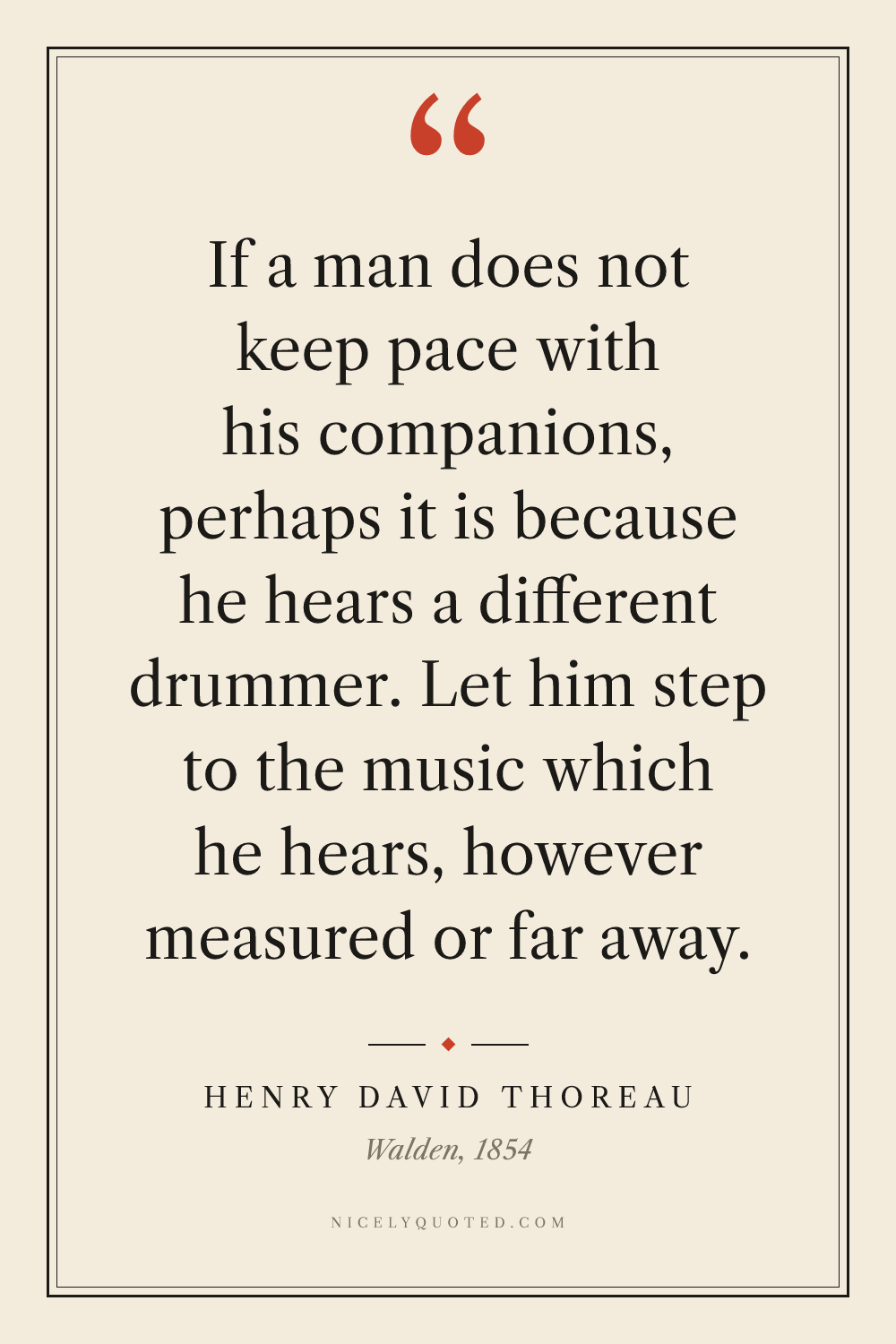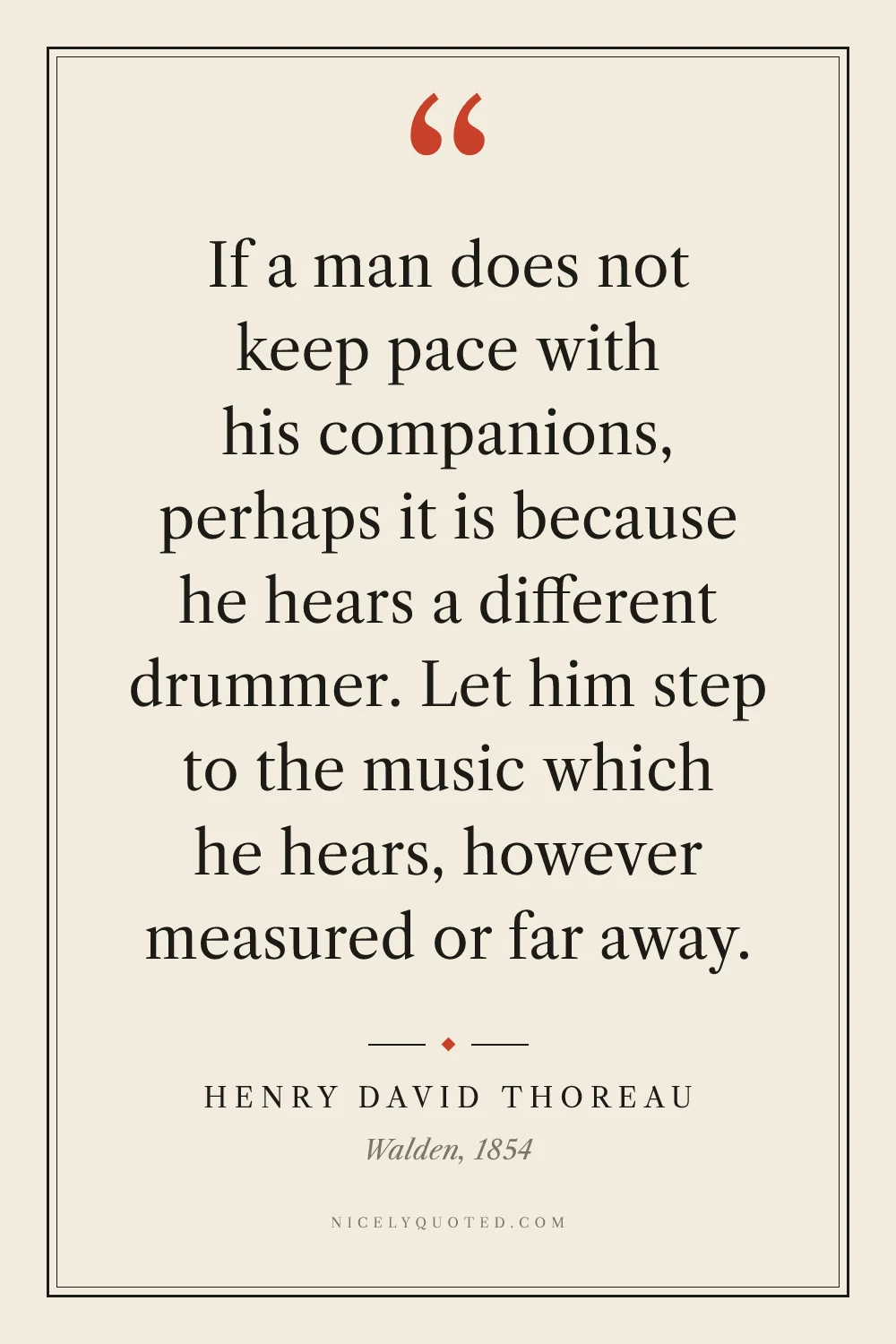
If a man does not keep pace with his companions, perhaps it is because he hears a different drummer. Let him step to the music which he hears, however measured or far away. — Henry David Thoreau
Letterpress. A page from a fine-press book: warm paper, black ink, one vermilion accent.
Proofs

If a man does not keep pace with his companions, perhaps it is because he hears a different drummer. Let him step to the music which he hears, however measured or far away.

Provenance

Henry David Thoreau

Work
Walden
Year
1854
Place
Conclusion
Read the source (opens in a new tab)

Wording checked
against the source

More from Henry David Thoreau

All by Henry David Thoreau
  • I went to the woods because I wished to live deliberately, to front only the essential facts of life, and see if I could not learn what it had to teach, and not, when I came to die, discover that I had not lived. — Henry David Thoreau

More on self

All on self
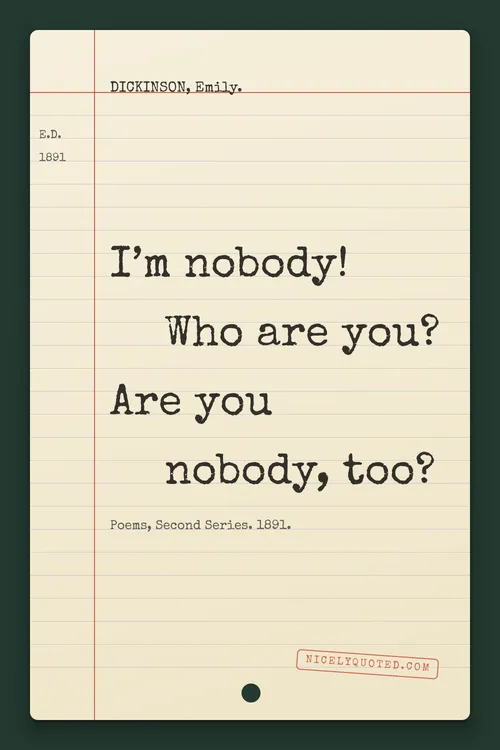
  • I'm nobody! Who are you? / Are you nobody, too? — Emily Dickinson
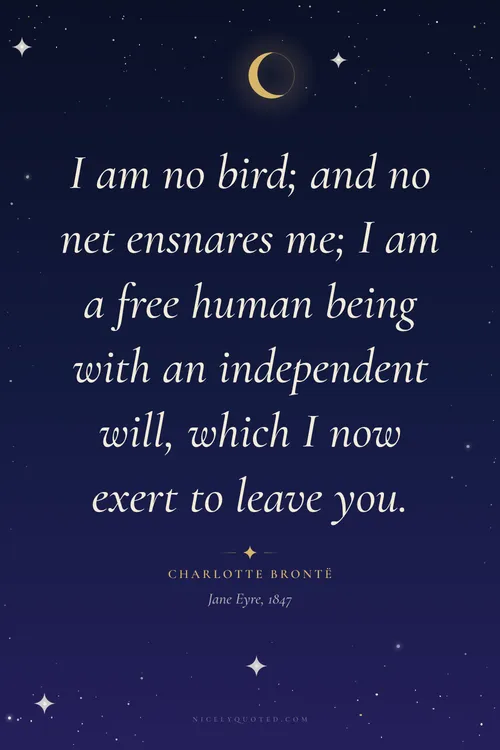
  • I am no bird; and no net ensnares me; I am a free human being with an independent will, which I now exert to leave you. — Charlotte Brontë
  • My candle burns at both ends; / It will not last the night; / But ah, my foes, and oh, my friends-- / It gives a lovely light! — Edna St. Vincent Millay
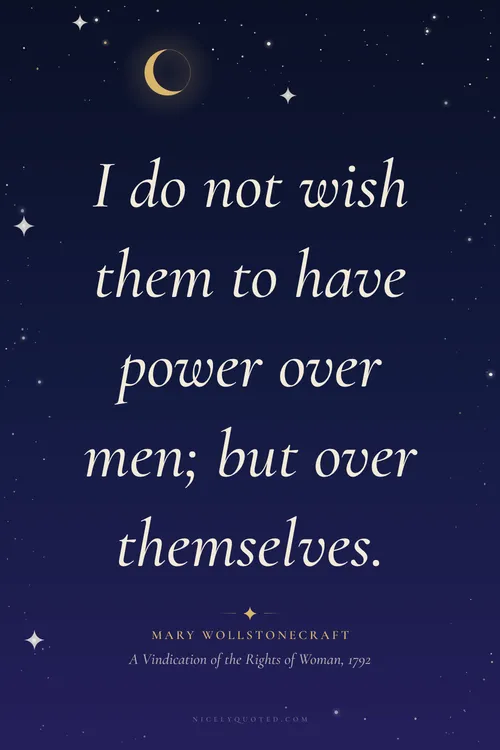
  • I do not wish them to have power over men; but over themselves. — Mary Wollstonecraft

More on wisdom

All on wisdom
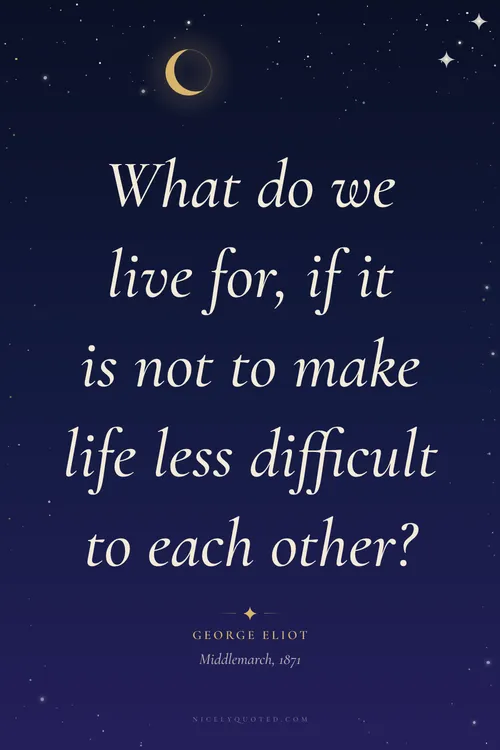
  • What do we live for, if it is not to make life less difficult to each other? — George Eliot
  • The growing good of the world is partly dependent on unhistoric acts; and that things are not so ill with you and me as they might have been, is half owing to the number who lived faithfully a hidden life, and rest in unvisited tombs. — George Eliot
  • I'm not afraid of storms, for I'm learning how to sail my ship. — Louisa May Alcott
  • At first people refuse to believe that a strange new thing can be done, then they begin to hope it can be done, then they see it can be done—then it is done and all the world wonders why it was not done centuries ago. — Frances Hodgson Burnett